


Dentaluxe Blog: Implant & Denture Tips
We want to keep you in the loop! See what we’ve been up to, and learn more about personalized dental care, dental implants, dentures and our advanced techniques in our blog.

Dental Implants: Understanding Inplant Vs. Implant
Many people get confused by the phrase “inplant or implant.” The truth: “implant” is the correct dental term. “Inplant” is…
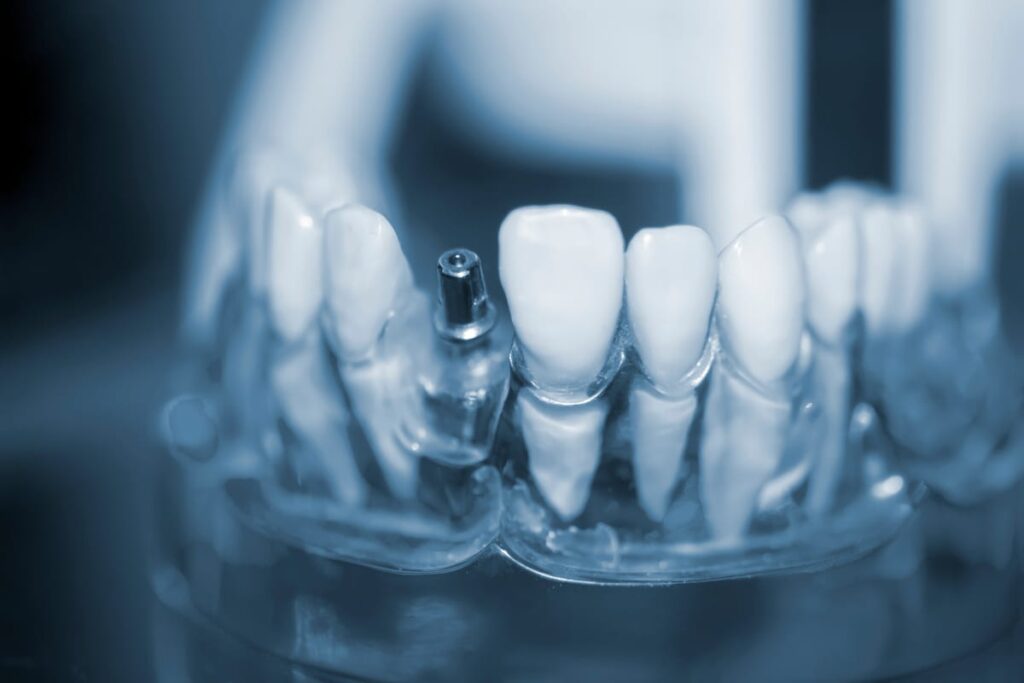
Tooth Implant Abutment Procedure: What To Expect With Dental Implants
If you’re preparing for a tooth implant abutment procedure, this guide explains what an abutment is, why it matters, and…

Replace All Teeth With Implants: Is It Possible?
Many people ask “can i replace all my teeth with implants” after years of failing teeth, dentures that don’t fit,…

Simple Ways To Do An Implant Repair
An implant repair is a fix to a dental implant that has a loose crown, damaged parts, or signs of…
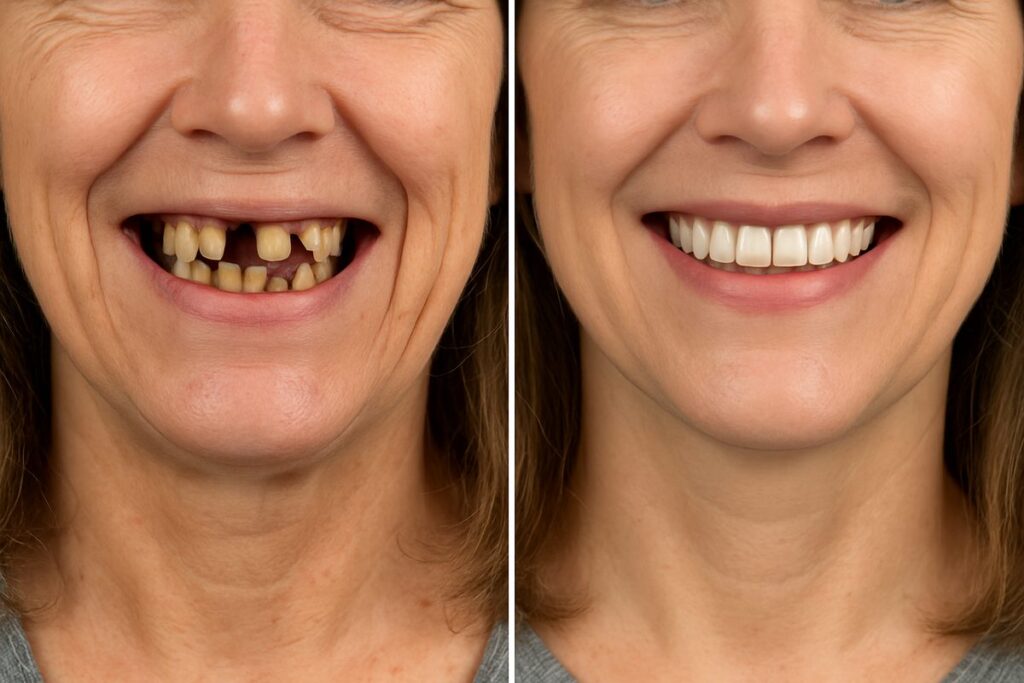
What Are Full Mouth Implants? The Complete Guide
A full mouth implant is a set of dental implants that replace all upper and/or lower teeth with permanent, fixed…
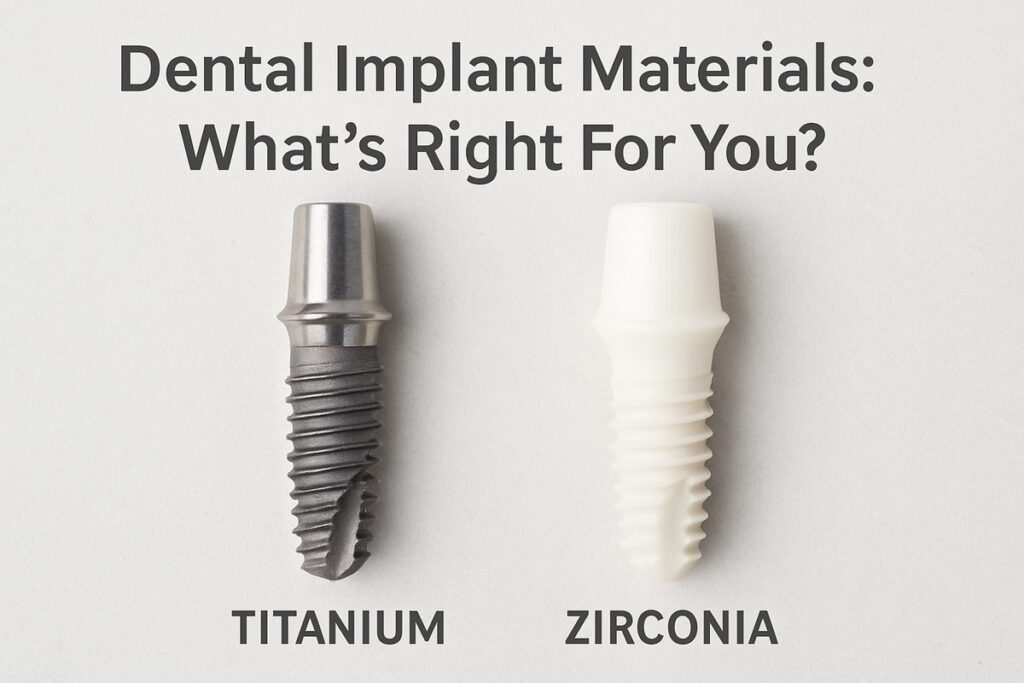
Everything About Dental Implant Material – A Complete Guide
This short guide explains what dental implant material is, why the choice matters for strength, look, and long-term health, and…
Understanding the Different Types of Dental Implants
Dental implants come in various types, each designed to meet specific needs based on the patient's dental health and lifestyle. The most common types include endosteal implants, which are placed directly into the jawbone, and subperiosteal implants, which are placed under the gum but above the jawbone. Understanding these options can help patients make informed decisions regarding their dental care.
For instance, endosteal implants are typically made of titanium and are favored for their strength and durability. Conversely, subperiosteal implants may be recommended for patients who lack sufficient bone height for traditional implants. Knowing the differences ensures that patients choose the best solution tailored to their unique dental circumstances.
The Benefits of Choosing Dental Implants Over Dentures
Dental implants offer several advantages over traditional dentures, making them a preferred choice for many individuals seeking tooth replacement. Unlike dentures, which can slip or cause discomfort, implants are securely anchored into the jawbone, providing a stable and natural-feeling solution for missing teeth.
Moreover, dental implants help preserve jawbone density and prevent the facial sagging often associated with tooth loss. This not only enhances aesthetic appearance but also contributes to improved oral function, allowing patients to enjoy a wider variety of foods without the discomfort that can accompany dentures.
How to Care for Your Dental Implants
Caring for dental implants is crucial to ensure their longevity and maintain oral health. Regular brushing and flossing, along with routine dental check-ups, are essential practices that help prevent infection and gum disease around the implant site.
Additionally, patients should avoid hard foods that could damage the implant and refrain from using tobacco products, as smoking can hinder healing and increase the risk of implant failure. By following these care guidelines, patients can enjoy their implants for many years to come.
Cost Considerations for Dental Implants
The cost of dental implants can vary widely based on several factors, including the type of implant, the complexity of the procedure, and the dentist's experience. While implants may initially seem more expensive than dentures, their long-term benefits and durability often make them a more cost-effective solution over time.
Many dental insurance plans offer partial coverage for implants, and financing options are often available to help manage out-of-pocket expenses. Understanding these financial aspects can help patients make informed decisions regarding their dental health investments.